
H-1B Specialty Occupations
The H-1B visa is a great option used by many professionals to work in the United States.
Here are the key features of H-1Bs:
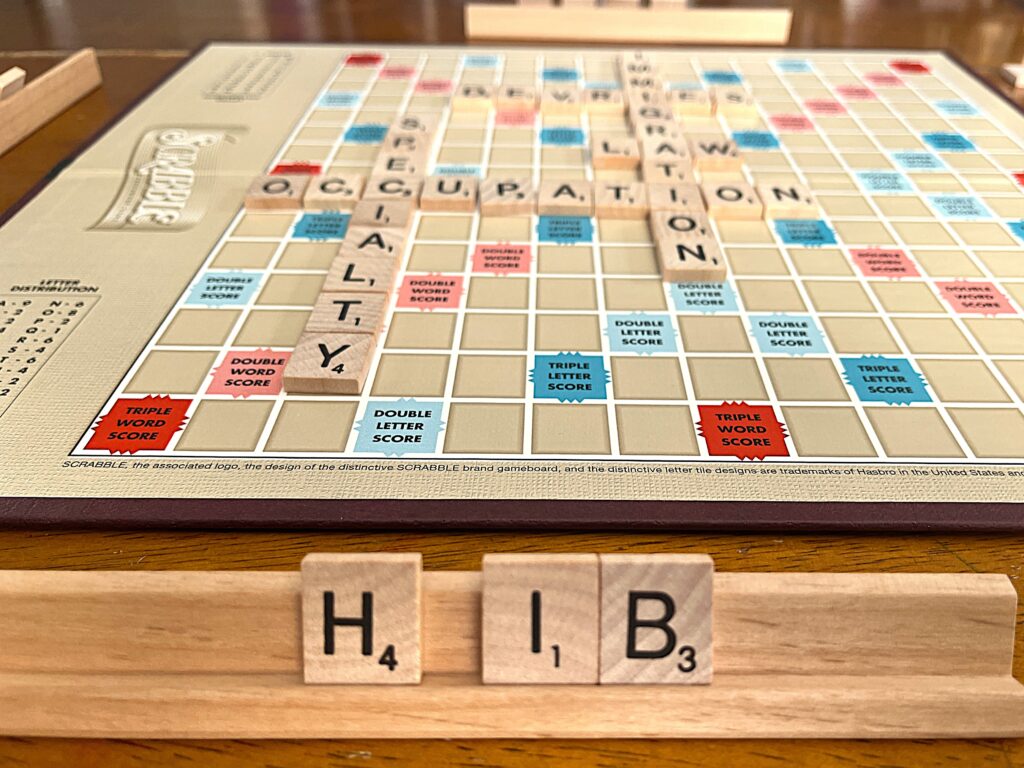
What is an H-1B?
H-1B classification is a popular option for professionals to work in the United States. People cannot self-petition for H-1B classification but must have an employer sponsor them.
Only roles in “specialty occupations” qualify for H-1B classification, which means jobs that normally require a bachelor’s degree or higher in a specific specialty. These include doctors, lawyers, engineers, software developers, teachers, and many other occupations.
While many professional roles qualify as specialty occupations, they may not qualify if the occupation does not usually require a degree, or if the degree may be in unrelated fields. But even if the role does not qualify at an occupational level, it may still qualify if the specific industry or employer typically requires a specialized degree for the role.
The sponsored employee must also have a degree in a relevant field or equivalent experience in the field.
The H-1B Lottery
Immigration law sets a cap of 85,000 new H-1Bs per year for most employers. This cap does not apply to anyone who has already been counted against the cap, which allows these H-1B workers to transfer to new employers without going through the lottery again. There are also certain employers that are exempt from the cap (such as nonprofit universities, some research organizations, and some nonprofits with university affiliations).
Because demand for H-1B visas usually far exceeds 85,000, USCIS conducts an annual lottery for new H-1B visas every March. Employers enter their employees into this lottery electronically and then submit full applications for those selected in the lottery.
People have increased odds of selection with U.S. graduate degrees and higher salaries. There is a separate “master’s cap” where 20,000 of the 85,000 cap are only available to people with U.S. graduate degrees. And with the new “weighted selection” process starting in 2026, people may get 2, 3, or 4 entries into the lottery with a higher salary. See this update for details.
Other Aspects of H-1B Classification
Here are some other notable aspects of H-1B status:
Cost: Our predictable flat fees are available upon request. The USCIS filing fee ranges from $1,330 to $3380 depending on circumstances (organization size, for-profit/non-profit, extension or new hire, etc.).
Preparation time: 2-4 weeks
Processing Time: 3-6+ months (available on USCIS’s website, selecting “Form I-129” and “H-1B”). Premium processing provides a response within 15 business days for an additional $2,965. Premium is common for H-1B new hires but is not needed for extensions.
Portability: Employees may start with a new employer upon filing the H-1B petition with USCIS, but they may be hesitant to leave a job without certainty of approval.
Prevailing Wage: Employers must pay H-1Bs at least the prevailing wage for the job in the area of employment. Employees may not be “benched” without payment.
Workplaces: H-1B employees may only work at worksites included in the H-1B petition.
Duration: Valid for 3 years at a time. There is a 6-year maximum, but green card sponsorship allows for extensions beyond this limit.
Changes in Job Duties / Location: An H-1B amendment (new petition) is required for a significant change in the job duties or job location.
Termination: If employers terminate their H-1B employee before the end of the current approval period, they must offer to pay the reasonable cost of return transportation to their home city. This is not required when employees voluntarily leave employment. Employees have up to 60 days (or the end of their current H-1B period) to find new employment, change status, or depart the U.S.
New $100,000 Fee: There is now an additional fee of $100,000 for H-1B workers who are either outside the United States at the time of filing the H-1B petition or are not approved for an extension of H-1B status or a change from a different immigration status. Lawsuits challenging this new fee are still pending.